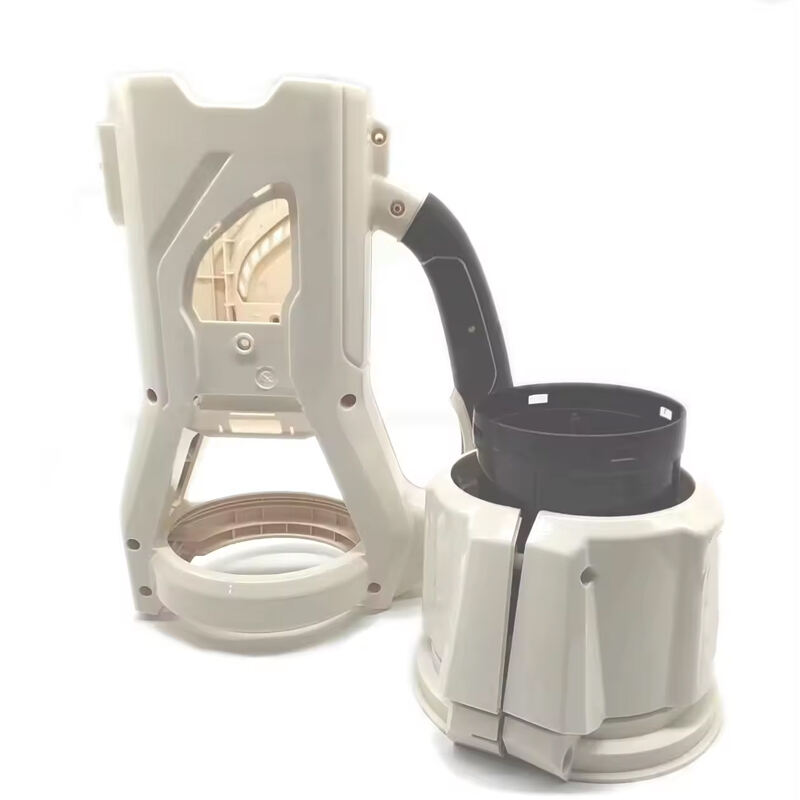
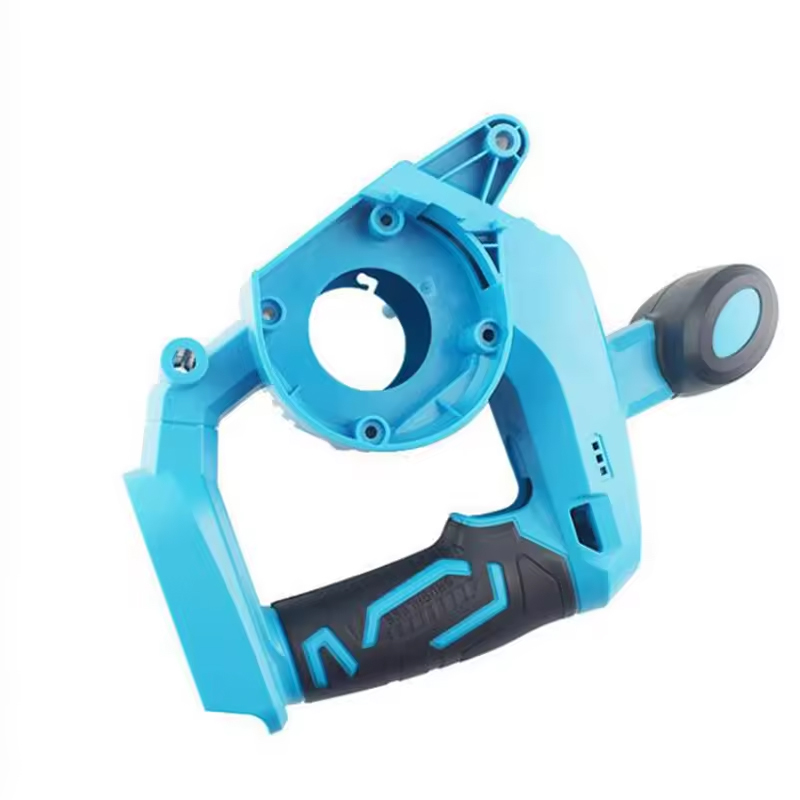
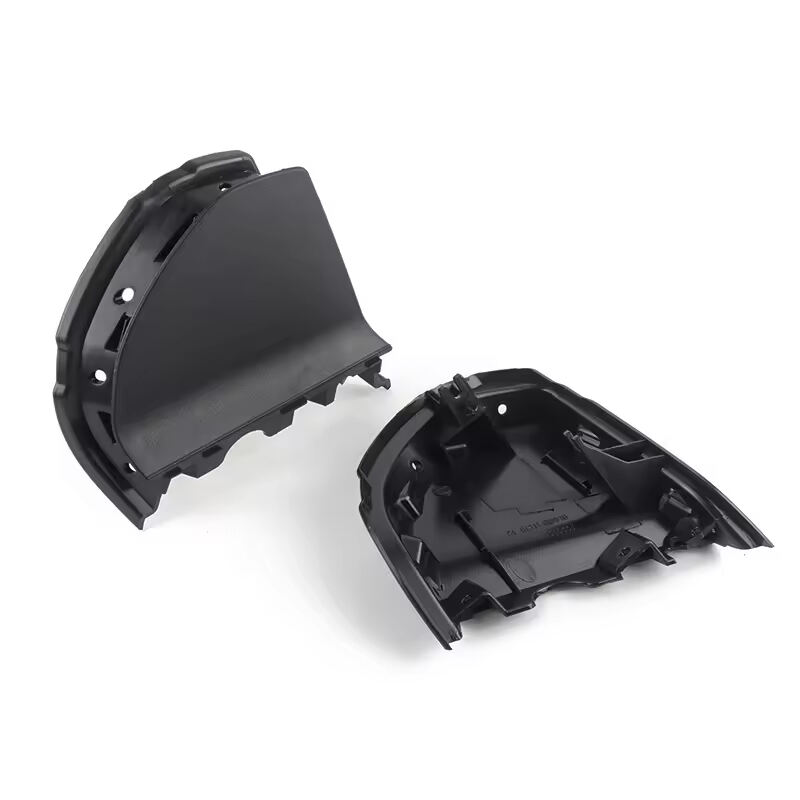
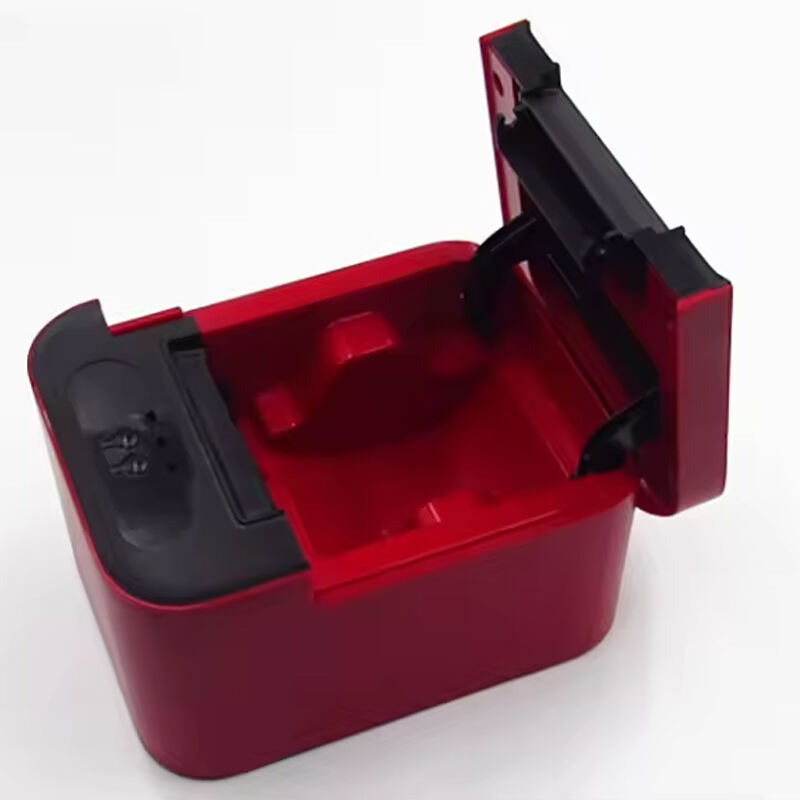
포함됨 플라스틱 사출 성형 , 열가소성 물질이 나사 시스템을 통해 20,000psi 이상의 높은 압력으로 정밀하게 제작된 폐쇄 캐비티 내부로 밀려 들어갑니다. 강한 압력으로 인해 캐비티는 거의 1초 이내에 즉시 채워지고, 이후 빠르게 냉각되어 자동차 커넥터나 의료기기 하우징 부품과 같은 고체 부품을 형성합니다. 이 공정 동안 모든 것이 금형 내부에서 밀봉되기 때문에 재료가 노출될 위험이 없으며, 매우 복잡한 형태도 구현할 수 있습니다. 제조업체는 대략 ±0.05mm 정도의 허용오차를 기대할 수 있습니다. 대부분의 사이클은 총 15초에서 최대 60초 정도 소요되며, 이로 인해 얇은 벽을 가진 정교한 부품을 매일 효율적으로 대량 생산해야 하는 기업들에게 매우 적합한 방법입니다.
압축 성형에서, 공정은 가열된 열경화성 재료(예: 시트 성형 컴파운드(SMC) 또는 벌크 성형 컴파운드(BMC))를 미리 가열하여 열린 상태의 금형에 직접 넣는 것으로 시작된다. 금형이 닫힐 때 유압 프레스가 일반적으로 제곱인치당 500~3,000파운드의 압력을 가한다. 이 압력은 과도한 전단력을 발생시키지 않으면서 재료가 원활하게 흐르도록 한다. 개방식 시스템 방식으로 작동하기 때문에 복합재료 내 섬유가 그대로 유지되고, 고분자가 분해되는 것을 방지하며, 나중에 부품 강도를 약화시킬 수 있는 잔류 응력을 줄이는 데 도움이 된다. 물론 단점도 존재한다. 작업자가 재료를 수동으로 투입해야 하며, 각 사이클은 1분에서 5분 정도 소요되어 빠른 생산 속도라고 볼 수 없다. 제조업체가 정기적으로 다뤄야 하는 또 다른 문제는 성형품 가장자리 주변에 플래시(flash)가 형성되는 것이며, 이는 항상 후속 작업으로 잘라내야 하는 추가 작업을 필요로 한다.
세 가지 상호 관련된 영역에서 중요한 차이점이 나타납니다:
| 공정 특성 | 플라스틱 주사 곰팡이 | 압축 금형 |
|---|---|---|
| 물질 흐름 | 고속 난류 주입 | 저압 cap형 확산 |
| 전단 응력 | 매우 높음(폴리머 열화 위험 있음) | 무시할 수 있음(섬유 구조 보존) |
| 캐비티 충전 | 98~99% 완성도 기준; 오버플로우 필요 없음 | 플래시 랜드 및 오버플로우 여유 치수 필요 |
사출 성형은 얇은 벽면 부위(<1mm)에서 미세한 형상을 정밀하게 복제하는 데 뛰어난 반면, 압축 성형은 섬유 강화 복합재료의 기계적 성능을 더 잘 유지합니다. 이는 SPE 복합재료 부문의 벤치마크로 입증된 사실입니다. 선택의 기준은 우열이 아니라 치수 정밀도와 재료 무결성 중 어느 것이 설계 우선순위인지에 달려 있습니다.
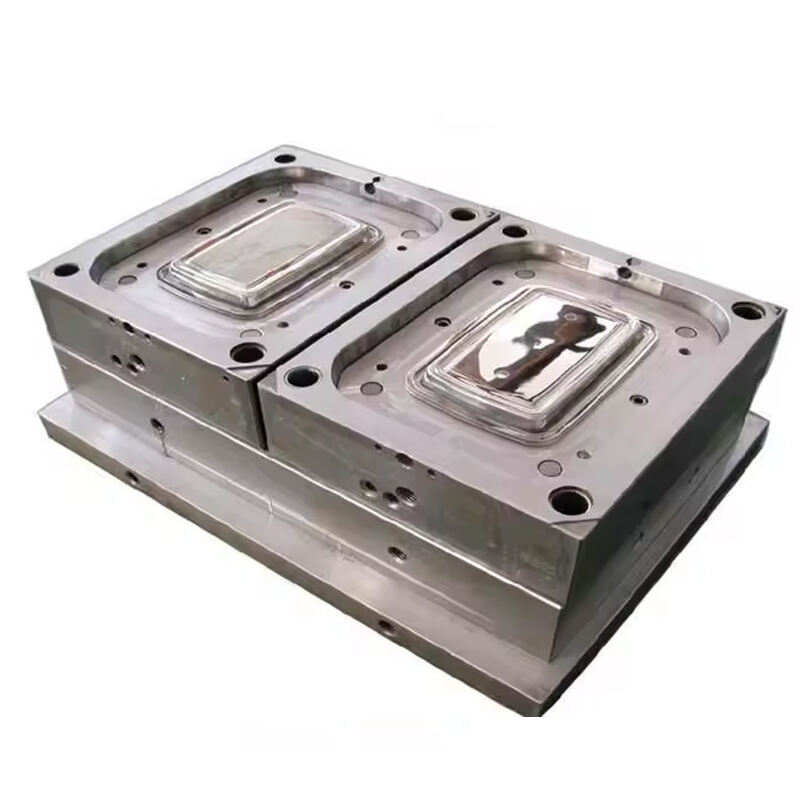
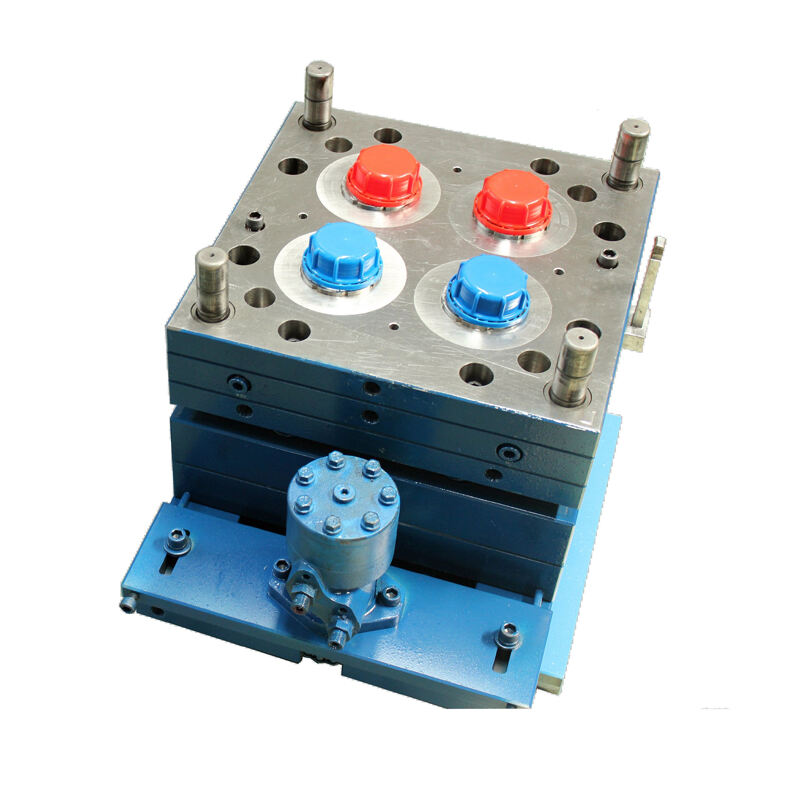
플라스틱 사출 금형에 필요한 공구는 매우 정교합니다. 경화 강철로 만든 캐비티는 마이크론 수준까지 부품의 정확한 형상을 복제해야 합니다. 또한 뜨거운 폴리머를 게이트를 통해 흐르게 하는 러너 시스템이 존재하며, 이는 유동 속도를 조절하고 제팅이나 용접 라인과 같은 문제를 방지합니다. 다점 탈형 시스템 역시 간과해서는 안 됩니다. 핀, 슬리브, 리프터 등이 모두 협력하여 냉각된 부품을 변형시키지 않고 탈형할 수 있도록 작동합니다. 이러한 복잡성 덕분에 제조업체는 매우 엄격한 공차를 달성하고 복잡한 형상의 부품을 만들 수 있습니다. 하지만 솔직히 말해, 이런 정교한 엔지니어링에는 상당한 비용이 듭니다. 이러한 금형은 일반적으로 신규 프로젝트를 시작할 때 기업이 지출하는 비용의 40%에서 60% 정도를 차지합니다.
압축 성형은 사출 몰드에서 필요로 하는 성가신 러너, 게이트 및 복잡한 냉각 시스템을 제거합니다. 이는 금형 초기 비용을 상당히 절감시켜 주며, 실제로 사출 성형에 비해 약 절반에서 4분의 3 정도 저렴합니다. 이 공정은 먼저 오픈 캐비티에 재료를 수동으로 투입하는 방식으로 진행됩니다. 이후 100톤에서 300톤에 달하는 강력한 플래튼이 예열된 재료를 압축하게 됩니다. 압축 몰드는 형상이 단순하고 제작 시간이 짧지만, 훨씬 더 두껍고 강한 플래튼이 필요합니다. 따라서 보다 우수한 프레스 장비를 도입해야 하므로 장비 비용이 약 25%에서 40% 정도 추가로 발생할 수 있습니다. 이 방법에서는 유동 문제는 거의 발생하지 않지만, 공정 중에 항상 플래시(flash)가 일부 생성됩니다. 따라서 모든 것이 냉각된 후에는 여분의 재료를 제거하기 위해 수작업으로 트리밍 작업을 반드시 수행해야 합니다.
열가소성 수지의 가역적 녹는 특성은 빠른 열순환을 요하는 사출 성형 공정과 완벽하게 부합합니다. 이들은 열에 의해 예측 가능하게 액화되어 압력 하에 캐비티를 충전하며, 냉각 시 균일하게 응고됩니다. 이러한 물리적 상 변화 덕분에 수만 번의 사이클 동안 일관된 두께, 반복 가능한 미세 형상 및 고속 생산이 화학적 열화 없이 가능해집니다.
SMC, BMC 및 일부 고성능 엘라스토머와 같은 소재는 열경화성 폴리머에 속한다. 이러한 소재는 성형 시 불가역적인 가교 결합을 거치게 된다. 이러한 소재들은 전단력에 대한 반응과 시간이 지남에 따른 온도 변화에 대한 반응 특성상 높은 전단력과 빠른 이동을 동반하는 사출 성형 공정에는 적합하지 않다. 따라서 압축 성형이 사용되게 되는 것이다. 이 방법은 더 느린 속도로 진행되며 속도보다는 압력을 활용한다. 이를 통해 재료 내부의 열 전달을 보다 정밀하게 제어할 수 있고 전체적으로 균일한 경화를 달성하는 데 도움이 된다. 그 결과 자동차 및 트럭 산업 전반에서 사용되는 대형 부품에서 중요한 섬유 배열을 정확하게 구현하고 구조적 강도를 유지할 수 있다.
SPE 오토모티브 컴포지트 리포트(2023)에 따르면, 후드, 펜더 및 범퍼 시스템을 포함한 SMC 바디 패널의 87%가 압축 성형 방식으로 제조된다. 이러한 점유율은 대형 부품과 Class-A 표면 품질을 우수한 치수 안정성과 함께 구현할 수 있다는 점에서, 섬유 보존 및 경화 제어가 사이클 타임보다 우선시되는 압축 성형 기술의 검증된 능력을 반영한다.
사출 성형은 자동화된 시스템을 통해 재료를 공급하고, 압력 하에서 캐비티를 채우며, 내장된 냉각 메커니즘을 포함하기 때문에 훨씬 더 빠르게 작업을 완료할 수 있습니다. 대부분의 복잡한 부품들이 고작 15초에서 60초 만에 완성되어 나옵니다. 반면 압축 성형은 방식이 다릅니다. 열이 재료 전체에 골고루 전달되고 화학 반응이 제대로 일어나야 하기 때문에 더 오랜 시간이 소요됩니다. 때로는 사이클이 60초에서 최대 5분까지 걸리기도 합니다. 플라스틱 제조에 관한 연구에 따르면, 그 밖의 조건이 동일할 경우 사출 성형은 압축 성형보다 시간당 생산량이 3배에서 5배까지 더 많을 수 있으며, 이런 속도 차이는 공장 현장에서 매 초가 중요한 경쟁에서 실질적인 차이를 만들어냅니다.
사출 성형의 금형은 일반적으로 복잡성에 따라 약 25,000달러에서 250,000달러 사이로 높은 가격대를 형성한다. 이러한 비용은 정밀하게 가공된 캐비티, 다수의 캐비티 간 적절한 정렬, 정교한 형태 맞춤 냉각 채널, 그리고 매번 고품질 부품을 보장하는 강력한 탈형 메커니즘과 같은 요인에서 기인한다. 반면 압축 성형 금형은 사정이 다르다. 이들은 러너나 게이트가 필요 없으며 복잡한 냉각 시스템도 없어 비용이 크게 절감되어 약 10,000달러에서 80,000달러 수준으로 낮아진다. 그러나 내구성을 고려할 때는 큰 차이가 있다. 경화 강철로 제작된 사출 금형은 수백만 번의 생산 사이클 동안 문제 없이 사용할 수 있다. 반면 압축 성형 금형은 매 사이클마다 극심한 온도 변화와 SMC 소재의 마모 작용에 지속적으로 노출되므로 대부분 수천 회 사용 후에는 교체가 필요한 실정이다.
| 생산 시나리오 | 최적 방식 | 경제적 이점 |
|---|---|---|
| 100,000개 이상 | 사출금형 | 부품당 낮은 비용이 더 높은 금형 투자비를 상회함 |
| 5,000~50,000개 | 압축 | 초기 금형 비용 절감으로 인해 느린 생산 속도가 정당화됨 |
대량 생산 용도의 경우 산업 규모에서 사이클 타임 당 1초 절약할 때 시간당 약 18달러의 운영 비용 절감 효과가 발생하므로 사출 성형의 투자 수익률(ROI)이 매력적입니다. 반면 압축 성형은 단순화된 금형으로 인해 재정적 리스크가 줄어들고 더 긴 리드타임을 수용할 수 있는 중간 규모 생산에서 경제적으로 합리적인 선택이 됩니다.
플라스틱 사출 성형으로 구현할 수 있는 설계 가능성은 매우 인상적입니다. 약 0.5mm 두께의 얇은 벽부터 복잡한 언더컷, 표면의 미세한 무늬, 하나의 몰드 내 다중 캐비티까지, 제조업체들은 현재 이러한 요소들을 정기적으로 구현하고 있습니다. 이를 가능하게 하는 것은 무엇일까요? 잘 제어된 용융 흐름과 높은 캐비티 압력, 정밀한 금형 탈형 시스템이 결합되어 공장에서 대량으로 동일한 부품을 생산할 수 있게 해주며, 이는 전통적인 수작업 방식이나 전단 응력이 낮은 대체 공법으로는 달성할 수 없는 수준입니다. 또한 기업들이 특수 제형된 열가소성 수지를 사용하면서 공정 조건을 정밀하게 조정하면, 가장 섬세한 디테일까지도 생산 런 전체에 걸쳐 치수적으로 안정성을 유지하며 의도된 표면 품질을 그대로 유지합니다.
압축 성형에서 부품 품질은 제조업체가 대처해야 하는 여러 가지 현실적인 한계에 직면해 있습니다. 개방된 몰드 형상 특성상 마감선을 따라 플래시가 상당히 자주 발생하게 되며, 이로 인해 트리밍 공정에 추가 작업이 필요하게 됩니다. 균일한 두께 유지 또한 매우 중요합니다. 두께의 변동이 있을 경우, 각 부분이 서로 다른 속도로 경화되어 부품의 휨이나 재료가 완전히 가교되지 않은 부분이 생기는 등의 문제가 발생할 수 있습니다. 약 1mm 또는 그보다 작은 해상도에서는 미세한 디테일이 사라지기 시작합니다. 날카로운 모서리는 둥글게 변하고, 표면 무늬는 덜 선명해지며, 정교한 패턴도 원래 의도한 만큼 잘 표현되지 않습니다. 이러한 모든 문제들은 기본적으로 성형 과정에서 압력이 단일 방향으로만 가해진다는 점과 전단력에 의한 유동 특성 향상이 거의 없다는 사실에서 기인합니다.
ISO 20457-2022 표준에 따르면, 플라스틱 사출 성형은 치수 정확도 측면에서 약 ±0.05mm까지 도달할 수 있으며, 이는 항공우주용 패스너, 의료 진단 장비 하우징 부품 및 마이크로유체 시스템에서 사용되는 소형 부품과 같은 용도에 필수적입니다. 반면 압축 성형은 일반적으로 정확도가 떨어지며 평균적인 편차가 약 ±0.2mm 정도입니다. 그 이유는 프리폼 수동 배치의 필요성, 가열 시 재료의 팽창 차이, 그리고 장시간 압력을 받을 때 금형이 휘거나 변형되는 경향 등 여러 요인이 작용하기 때문입니다. 이러한 공차 차이는 상당히 크며, 이 때문에 대부분의 제조업체는 10,000개 이상과 같이 대량 생산 시 일정한 결과를 밀리미터의 작은 부분까지도 요구하는 경우 사출 성형을 선호합니다.
사출 성형과 압축 성형의 주요 차이점은 무엇입니까?
사출 성형은 고압을 사용하여 폐쇄된 금형을 신속하게 채우는 반면, 압축 성형은 열과 낮은 압력을 사용하여 개방된 금형에서 재료를 성형합니다.
왜 열가소성 플라스틱이 사출 성형에 더 적합한가요?
열가소성 플라스틱은 사출 성형의 빠른 열 순환에 적합한 가역적인 녹는 특성을 가지며, 일정한 벽 두께와 고속 생산이 가능하게 합니다.
압축 성형이 특히 우수한 분야는 어디입니까?
압축 성형은 경화 제어가 뛰어나기 때문에 보다 느리고 균일한 열분포와 압력이 필요한 열경화성 폴리머에 이상적입니다.
사출 성형과 압축 성형의 일반적인 사이클 시간 비교는 어떻게 됩니까?
사출 성형의 사이클 시간은 일반적으로 15초에서 60초인 반면, 압축 성형은 60초에서 5분까지 소요될 수 있습니다.
두 성형 방식의 금형 비용 차이는 무엇입니까?
사출 성형 공구 비용은 25,000달러에서 250,000달러 사이이며, 압축 성형 공구 비용은 10,000달러에서 80,000달러 사이입니다.
 최신 뉴스
최신 뉴스2024-04-25
2024-03-06
2024-03-06
2024-03-06
2024-03-06
2024-08-09
WishSINO 주요 제품 사출 몰드, 제품 설계 및 개발, 3D 프린팅, 플라스틱 사출 제품, IMD 사출 성형 등
Copyright © 2024 WishSINO 기술 유한회사 개인정보 처리방침
 EN
EN
 AR
AR
 HR
HR
 CS
CS
 DA
DA
 NL
NL
 FI
FI
 FR
FR
 DE
DE
 EL
EL
 IT
IT
 JA
JA
 KO
KO
 NO
NO
 PL
PL
 PT
PT
 RO
RO
 RU
RU
 ES
ES
 SV
SV
 TL
TL
 ID
ID
 LT
LT
 SK
SK
 SL
SL
 VI
VI
 TH
TH
 TR
TR
 AF
AF
 MS
MS
 GA
GA
 BN
BN
 HMN
HMN
 LO
LO
 LA
LA
 MI
MI
 MN
MN
 NE
NE
 MY
MY
 UZ
UZ