What Is an Injection Mold? Core Principles and Cavity Fundamentals
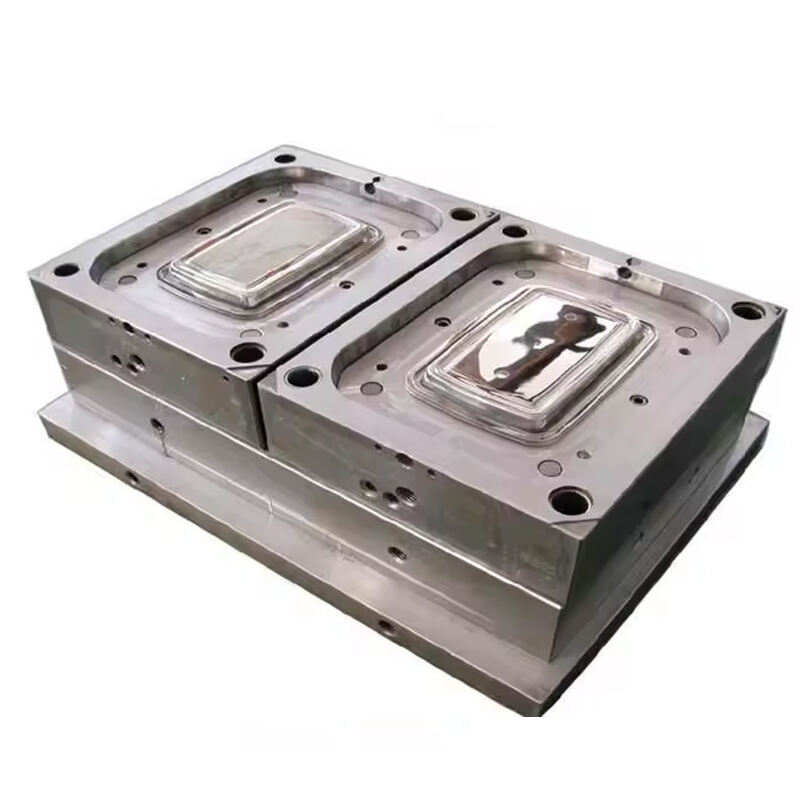
Injection molds are basically tools crafted with great care to shape hot melted plastic into actual products throughout the injection molding operation. The main parts include what's called the cavity, which forms the outside shape of whatever is being made, and the core part that creates the inside features. Most often these parts get cut out of either hardened steel or aluminum alloys because they need to handle some serious heat, sometimes reaching around 350 degrees Celsius. And let's not forget about pressure either these molds must deal with forces over 20 thousand pounds per square inch without warping or breaking down after making thousands upon thousands of identical items day after day.
Essential mold elements include:
-
Runner system: Channels that distribute molten plastic from the sprue to the cavities
-
Gates: Precision-controlled entry points that regulate flow rate, pressure, and cooling onset
-
Ejector pins: Actuated mechanisms that safely release cooled parts without distortion
Getting cavity-core alignment right is critical for keeping tolerances within about plus or minus 0.05mm. When this isn't maintained properly, problems such as flash formation, incomplete parts, or damage during ejection can occur. Properly aligned tooling makes possible the kind of precise mass production needed for things ranging from tiny medical implants all the way to complex automotive sensor components. Some operations manage cycle times down to just 15 seconds thanks to these alignments. Mold design basically determines everything when it comes to part quality, how consistently processes work run after run, and what each unit actually costs to produce in large quantities.
Single-Cavity Injection Molds: When Precision, Control, and Low-Volume Production Matter
Tight Tolerances and Process Stability
Single cavity molds get rid of those tricky balancing issues between cavities, which gives much better dimensional control. Most often they can hold tolerances around plus or minus 0.05 mm. That's why they're so important for things like parts used in airplanes, tiny fluid handling devices, and any application where getting the shape right and keeping materials intact just can't be compromised. Since there's only one mold impression each cycle, heat spreads out evenly and the molten material flows consistently throughout. This cuts down on warping problems by roughly 30 percent when compared to multi cavity systems according to what many manufacturers have found. The simpler design lets operators adjust injection pressures, packing times, and cooling settings on the fly during production runs. This flexibility matters a lot when working with tough plastics such as PEEK and ULTEM that require very specific processing conditions to maintain their performance characteristics.
Ideal Applications: Medical Devices, Prototypes, and High-Mix/Low-Volume Runs
The medical device industry depends heavily on single cavity molds when manufacturing implantable devices and diagnostic components. These molds must meet strict standards for tracking materials throughout production, follow regulations like ISO 13485, and produce parts with absolutely no defects. Single cavity molds also play a big role in functional prototyping work. Designers can test their ideas quickly and make changes to the tooling without facing expensive setbacks, which speeds up development for things like customized surgical tools or those tiny lab-on-a-chip devices we hear so much about lately. When companies need to produce small batches of different parts (usually less than 1,000 units each), these molds let them manufacture all sorts of specialized components economically. Think about custom sensors for cars or unique electrical connectors that just don't fit standard mold setups. And here's something interesting: tooling costs for these single cavity systems tend to be around 40 to 60 percent cheaper compared to multi cavity alternatives. That makes them particularly attractive for new companies getting started or research teams working through prototype stages toward final products that actually get certified for real world use.
Multi-Cavity Injection Molds: Scaling Output and Optimizing Unit Cost
Cavity Balancing, Thermal Uniformity, and Consistency Challenges
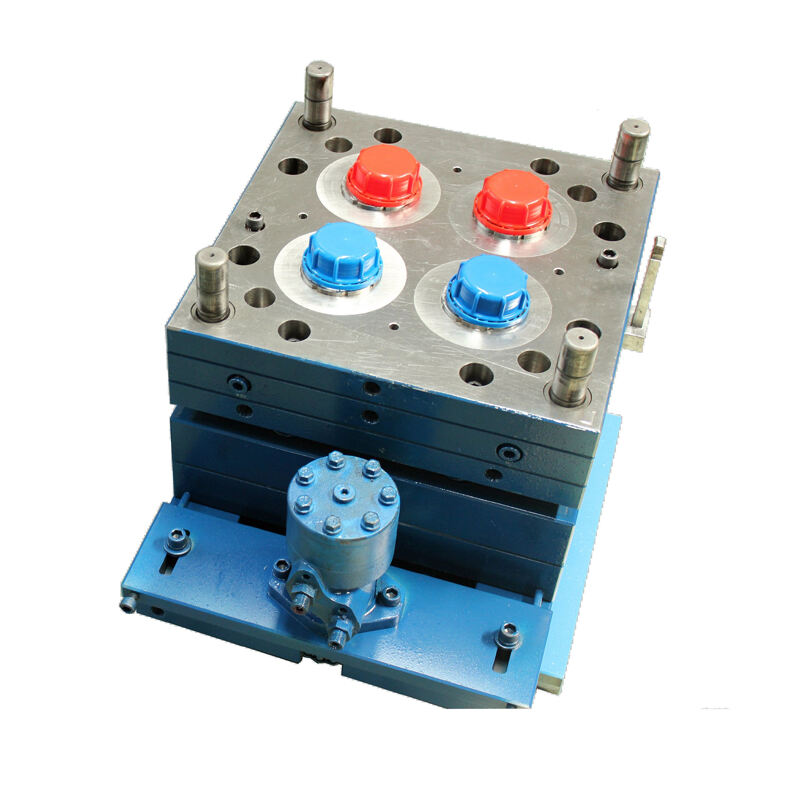
Multi cavity molds definitely boost production volumes, but they require strict consistency across all cavities to work properly. Even tiny issues with gate design, runner lengths, or cooling distribution can lead to big problems. For instance, temperature differences of just around 5 degrees Celsius between cavities might result in shrinkage variations over 0.3% as reported in a recent issue of the Plastics Engineering Journal. When these kinds of inconsistencies go unchecked, factories often see their scrap rates jump anywhere from 15 to maybe even 20 percent, which really eats away at any productivity improvements they hoped to achieve. Getting reliable results from these systems takes careful attention to detail throughout the entire manufacturing process.
- Symmetrical, balanced runner layouts with identical flow resistance
- Uniform gate cross-sections and placement
- Embedded thermal sensors for real-time cavity monitoring
Without these controls, part-to-part variation undermines both quality and cost efficiency.
Economies of Scale: When Higher Cavity Counts Deliver ROI
When production volumes get large enough, multi-cavity molds start making financial sense because they can churn out parts faster even though the tooling costs go up. Adding another cavity typically means paying 30 to 50 percent more upfront for the mold, but this gets balanced out when looking at what each individual part actually costs to make. The setup work, labor hours, and machine running time get spread across all those extra cavities. Manufacturers often find that once they're talking about batches over 50k units, going from one cavity to eight cuts the price per part down around two thirds compared to sticking with just a single cavity mold. This kind of math really adds up over time.
| Production Scale |
Cavity Count |
Cost Reduction vs. Single-Cavity |
| 10,000 units |
4 |
25–30% |
| 50,000 units |
8 |
55–60% |
| 100,000+ units |
16+ |
70–75% |
The breakeven point typically falls between 20,000 and 30,000 parts. Beyond 32 cavities, diminishing returns emerge—not from output limits, but from escalating maintenance complexity and yield sensitivity to minor process drift.
Choosing the Right Injection Mold Type: A Strategic Decision Framework
Key Evaluation Criteria: Volume, Part Complexity, Tolerance Requirements, and Timeline
When choosing between different mold setups, there are basically four main things to consider that all tie together somehow. Let's start with how many parts need to be made. For runs over around 10 thousand pieces, getting a multi cavity mold usually pays off financially. But if we're talking about making just a few hundred or maybe even a couple thousand test samples, sticking with a single cavity mold makes more sense economically. Then there's the actual design of what needs to be molded. Parts with really thin walls, those tricky deep ribs, or complicated undercuts often work better with single cavity molds because they give better control during filling and reduce stress buildup in the material. Speaking of precision, anything needing tolerances tighter than plus or minus 0.05 millimeters pretty much demands a single cavity approach since multiple impressions tend to accumulate small errors over time. And don't forget about timing constraints either. Multi cavity molds take significantly longer to produce, sometimes up to half again as long as single cavity ones, mainly because engineers have to spend extra time working out all the cooling channels, gate placements, and temperature controls to keep everything balanced properly.
Emerging Options: Family Molds and Modular Cavity Systems
New approaches are opening up more options than just picking between single and multi cavity molds. Family molds combine different part shapes like matching enclosures and snap fit caps all in one tool. The savings can be huge for small production runs, cutting mold costs by around 40% and making follow up work much simpler. Modular cavity systems take another route altogether, using standard plates with interchangeable parts that let manufacturers switch out cavities quickly. This means companies can update designs or create new versions without having to scrap entire molds. For products made in moderate quantities where changes happen often, these modular setups cut down on setup time by about 70%. Quality stays intact while getting products to market faster. These developments show what's happening across the industry right now: toolmakers are focusing more on flexible solutions that stand the test of time, even as they maintain strict standards for accuracy and regulatory requirements.

 EN
EN
 AR
AR
 HR
HR
 CS
CS
 DA
DA
 NL
NL
 FI
FI
 FR
FR
 DE
DE
 EL
EL
 IT
IT
 JA
JA
 KO
KO
 NO
NO
 PL
PL
 PT
PT
 RO
RO
 RU
RU
 ES
ES
 SV
SV
 TL
TL
 ID
ID
 LT
LT
 SK
SK
 SL
SL
 VI
VI
 TH
TH
 TR
TR
 AF
AF
 MS
MS
 GA
GA
 BN
BN
 HMN
HMN
 LO
LO
 LA
LA
 MI
MI
 MN
MN
 NE
NE
 MY
MY
 UZ
UZ

 Hot News