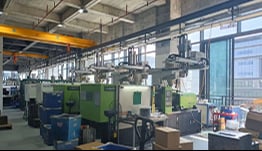
Injection Mold Definition and Core Function
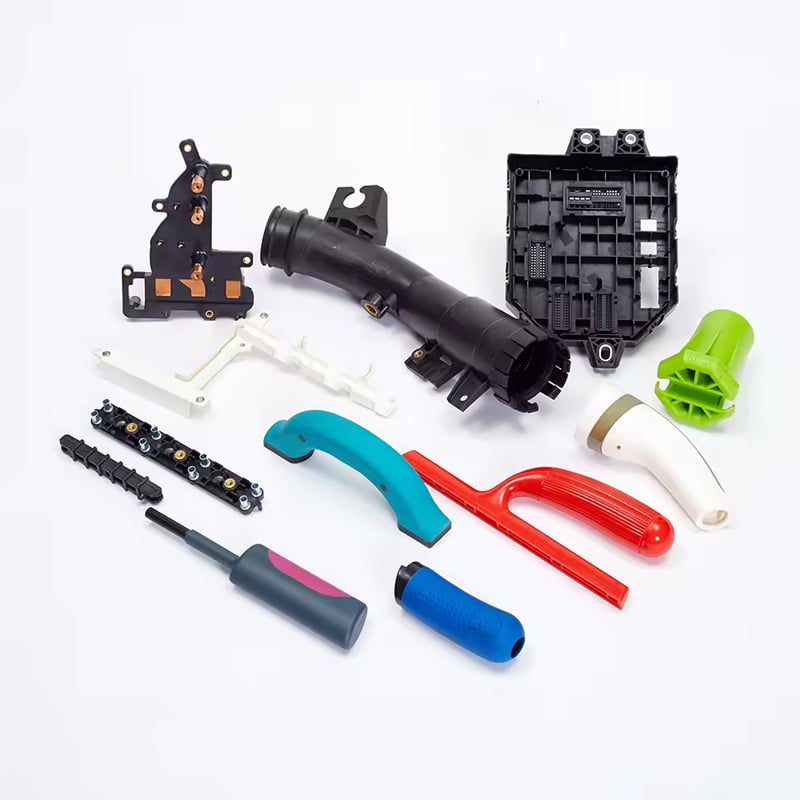
Injection molds are basically really precise tools used to shape melted plastic or metal into complicated shapes when producing lots of items. What they do is take liquid material at incredibly high pressures (somewhere between 5,000 to 30,000 psi) and form it into whatever shape needs to be made. The mold defines everything from how big the part should be to its surface texture and strength, usually using hard steel or aluminum for the actual shaping area. Compared to 3D printing or other additive techniques, injection molding gets much closer to exact measurements and works way faster because of special cooling channels inside the mold, timing mechanisms that pop out finished parts, and carefully designed internal spaces. Take car dashboards as an example. These need molds that can handle heat over 300 degrees Celsius without warping, all while keeping sizes accurate to within about half a millimeter. That kind of precision isn't possible without specific designs and materials in the mold itself. Injection molding turns basic plastics into ready-to-use parts at speeds over 10 thousand pieces every hour, which is why manufacturers rely on this method so heavily throughout various sectors.
Key Components of an Injection Mold
Core, Cavity, and Parting Line: Defining Part Geometry
At the heart of mold design are the core and cavity parts, which are typically made from hardened tool steel or sometimes aluminum. These precision machined blocks create both the inside and outside shapes of whatever gets molded. The cavity basically sets what the finished product looks like on the outside while the core handles all those internal details like holes and recess areas. Where they meet is called the parting line, something manufacturers pay close attention to because it affects how everything lines up, controls flash during molding, and keeps dimensions consistent throughout production. Getting these two pieces to match up just right makes sure walls stay evenly thick, cuts down on extra work after molding, and helps maintain strict measurements even when running thousands of parts over time.
Feeding System (Sprue, Runner, Gate): Ensuring Uniform Flow
The molten material gets into the mold through what's called a sprue, basically connecting straight from the injection nozzle. Once inside, runners spread out the material across different cavities within the mold. Gates serve as those last entry points before the material fills the cavity itself, controlling how fast it goes in, where it flows, and even affecting something called shear forces. Different gate designs matter too - things like pinpoint gates, fan gates, or tunnel gates all impact where weld lines show up, look of the finished product, and how stresses build up inside the plastic. When manufacturers get the feeding system right, they avoid problems like uneven filling throughout the mold. This approach cuts down on warping and those pesky sink marks we see on parts. Plus, companies report saving around 15 to 20 percent off their cycle times without messing up the quality of the actual parts being produced.
Support Systems (Cooling Channels, Ejector Pins, Vents): Enabling Precision and Repeatability
The cooling channels, which can be either conformally machined or drilled into molds, take up around 70% of the entire cycle time and play a vital role in controlling temperature differences throughout the mold. When heat is properly extracted from the system, it helps prevent problems like uneven shrinking, leftover stress in the material, and shape distortions that can ruin parts. After the cooling phase completes, ejector pins kick in to pop out the finished product without leaving marks or causing damage. Getting their positioning right matters a lot too – if they're not placed correctly or have poor surface quality, they might leave unwanted impressions on the part. Vents positioned along the parting lines or near where molten material flows in help push out trapped air and other volatile substances. This venting process is really important because otherwise we'd get incomplete fills and those annoying burn marks nobody wants to see. All these components working together maintain consistent quality measurements down to about plus or minus 0.05 millimeters even after running through millions of production cycles.
The Injection Mold in Action: Role Across the Molding Cycle
Clamping & Closure: Securing the Injection Mold Under Pressure
The molding process starts when the clamping system locks the two halves of the mold together using either hydraulic pressure or mechanical force. For big parts like those in cars, this can require forces as high as 1,000 tons. The intense pressure keeps the mold from opening during injection, which stops unwanted material buildup around edges and maintains uniform part sizes throughout production runs. Guide pins and bushings keep everything aligned down to fractions of a millimeter, something manufacturers really care about for quality control. Newer clamping technology has made setups more consistent across batches too. When compared with older machines from just five years ago, factories report cutting their cycle times anywhere between 10% to maybe even 15%. That kind of improvement adds up fast on the shop floor.
Filling, Packing, and Holding: How the Injection Mold Controls Material Distribution
When the mold starts filling, hot material moves into the cavity via specially designed gates. The path it takes depends on how the mold is shaped and its temperature distribution across different areas. Next comes packing stage where we apply continuous pressure around 85 MPa to counteract the shrinking effect when plastics cool down. This keeps our parts dimensionally accurate despite cooling contraction. We hold this pressure until the gates solidify completely, which stops those annoying sink marks and air pockets from forming. Modern systems now come equipped with built-in temperature sensors and pressure monitors that let operators watch what's happening inside the mold in real time. Plus there's software that predicts how materials will flow, helping us place gates better and adjust packing parameters accordingly. These improvements have cut material waste significantly in many operations, sometimes saving up to a quarter of raw materials compared to older methods.
Cooling and Ejection: Thermal and Mechanical Release from the Injection Mold
The cooling stage takes up most of the time during production cycles, around 70% actually, and depends on carefully designed channels that pull heat away evenly across the mold. Some newer approaches such as using beryllium copper components or those fancy conformal cooling systems can boost heat removal rates by nearly 30 percent. This makes parts come out more consistent and helps avoid those annoying warping issues. When the material finally hardens, ejector pins push the finished product out. Getting these right matters a lot because if they're too fast or too slow, or if their surfaces aren't treated properly, things get damaged. Manufacturers pay close attention to draft angles, apply special coatings that reduce friction, and position vents just right (with gaps smaller than 0.03 mm). These small details matter for getting parts out cleanly without leaving residue behind. And smart factories now often include sensors that check whether everything is clear before starting another cycle.
Ready to Source High-Performance Injection Molds for Your Production?
Injection molds are the backbone of consistent, high-volume manufacturing. Subpar design or low-quality components can lead to costly defects, delayed timelines, and lost competitiveness. The right mold combines precision engineering, durable materials, and optimized support systems to deliver reliable parts that meet your strictest specifications.
For tailored injection mold solutions, backed by decades of expertise in mold design, material selection, and cycle optimization, partner with a provider rooted in industrial excellence. We serve the automotive, electronics, medical, and consumer goods sectors, offering end-to-end support from design validation to mass production.
Contact us today for a no-obligation consultation to refine your mold requirements, reduce costs, and elevate your production efficiency. Let’s build molds that turn your ideas into high-quality, scalable products.

 EN
EN
 AR
AR
 HR
HR
 CS
CS
 DA
DA
 NL
NL
 FI
FI
 FR
FR
 DE
DE
 EL
EL
 IT
IT
 JA
JA
 KO
KO
 NO
NO
 PL
PL
 PT
PT
 RO
RO
 RU
RU
 ES
ES
 SV
SV
 TL
TL
 ID
ID
 LT
LT
 SK
SK
 SL
SL
 VI
VI
 TH
TH
 TR
TR
 AF
AF
 MS
MS
 GA
GA
 BN
BN
 HMN
HMN
 LO
LO
 LA
LA
 MI
MI
 MN
MN
 NE
NE
 MY
MY
 UZ
UZ

 Hot News