Understanding Plastic Injection Mold Fundamentals
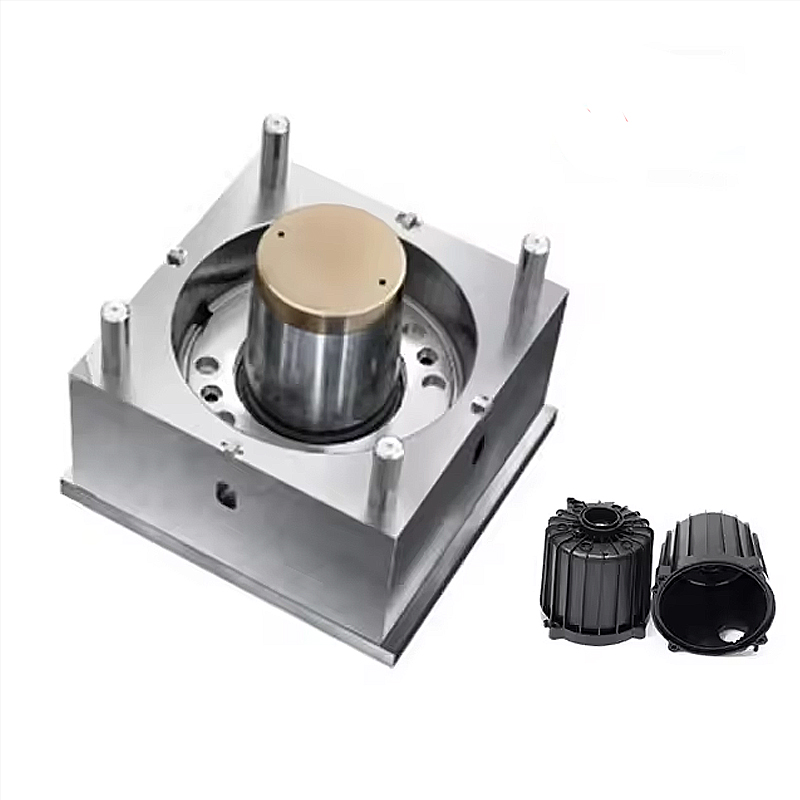
What Is a Plastic Injection Mold and How It Works
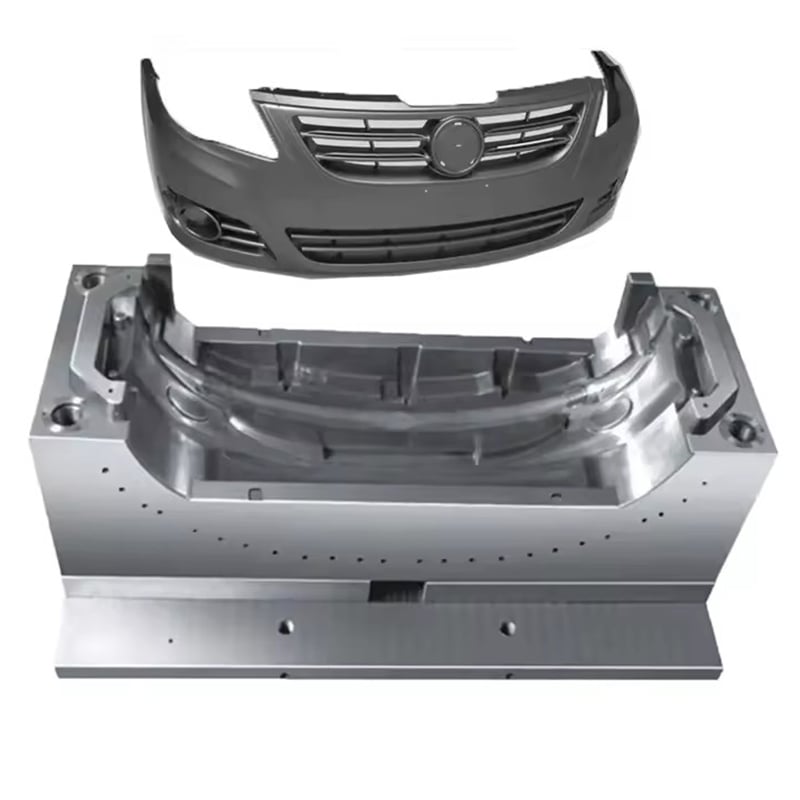
Plastic injection molds work as highly accurate tools for shaping hot thermoplastics into consistent parts using high pressure techniques. The process starts when plastic pellets go into a heated chamber where a spinning screw does the job of melting everything together until it becomes a thick liquid ready for molding. Under pressures ranging from around 10 thousand to 30 thousand pounds per square inch, this melted plastic gets forced into a tightly closed mold cavity. Once inside, cooling channels help harden the plastic shape, after which mechanical systems pop out the finished product. What makes this whole cycle so valuable is its ability to produce intricate parts with extremely tight tolerances, sometimes down to plus or minus 0.001 inches per inch measurement. Automated production lines can churn out over 10,000 individual parts each day, making this method essential for large scale manufacturing operations across various industries.
Key Components of Thermoplastic Injection Molding Systems
Every injection molding system integrates four core subsystems:
-
Clamping Unit: Hydraulic or electric mechanisms that secure mold halves under forces up to 8,000 tons
-
Injection Unit: Features barrel heaters and an auger screw that melt and meter material with ±0.5% shot-weight consistency
-
Mold Assembly: Precision-machined steel or aluminum tooling containing cavities, cooling channels, ejector pins, and vents
-
Control System: Programmable logic controllers regulate temperature, pressure, injection speed (±0.05 mm/sec accuracy), and cycle phases
When optimized, these components achieve cycle times under 15 seconds for small parts, maximizing production efficiency.
Mold Design and Tooling: From Concept to Production Readiness
Transitioning from CAD design to production-ready mold involves five critical phases guided by scientific molding principles:
| Design Phase |
Key Considerations |
Validation Metrics |
| Feasibility |
Uniform wall thickness (1–5 mm ideal), draft angles (>1°), radius ratios |
Moldflow analysis for filling behavior |
| Prototyping |
Slide mechanisms, gate positioning |
First-article inspection (±0.15 mm) |
| Steel Selection |
Hardness (28–52 HRC) vs. polishability tradeoffs |
Tooling life projections (50K–1M cycles) |
| CNC/EDM Machining |
Electrode positioning tolerance (±5 μm) |
Surface finish verification (Ra 0.025–3.2 μm) |
| T0 Validation |
Cooling efficiency (ΔT±1.5°C), ejection balance |
Statistical process capability (Cpk≥1.67) |
This structured workflow minimizes revisions and prevents defects like sink marks or warpage, ensuring dimensional stability in final parts.
Material Selection for Optimal Plastic Injection Mold Performance
Common Thermoplastics Used in Injection Molding
The plastics game in injection molding is largely dominated by polypropylene (PP), ABS, and polyethylene (PE) because they strike just the right balance between strength, flexibility, and affordability. When things get tough on the production floor, nylon and polycarbonate step in with their remarkable durability for those really challenging parts. And then there's PEEK, short for polyether ether ketone, which stands out as the go-to material when temperatures run hot enough to melt other resins. Every plastic flows differently through molds, and this matters a lot when designing tooling. The viscosity of the material determines how much pressure needs to be applied during injection, which directly impacts where gates should be placed and how complex the tooling needs to become for proper molding results.
Matching Plastics Selection to Part Function and Environment
Choosing the right materials means matching what the part needs mechanically against what conditions it will face in the real world. For car parts that come into contact with fuel, chemical resistance becomes absolutely essential. Outdoor products benefit greatly from UV stabilized plastics since sunlight can really break down regular polymers over time. When talking about medical equipment, we're looking at special resins that won't react negatively inside the body and meet all those strict regulatory requirements. A recent study by the Polymer Processing Society showed something pretty shocking actually – around 42 percent of parts failing before their expected lifespan are due to picking the wrong material for the environment they operate in. Take electrical components for instance. These often need flame retardant materials plus certain dielectric characteristics. This shows just how much material decisions shape the entire design process when working with thermoplastic injection molding systems.
Impact of Material Choice on Mold Wear and Cycle Time
According to recent industry reports from 2023, glass filled composites can actually wear down molds around 60% more than regular unfilled resins. This means manufacturers often have to invest in harder steel molds even though they cost more upfront. When it comes to crystalline polymers such as nylon, these materials need extra time to cool properly because of how they form crystals during processing. As a result, production cycles get extended somewhere between 15% and 25%. On the flip side, amorphous materials tend to eject much quicker when heated to certain temperatures. For injection molding projects using common plastics like ABS or polypropylene, shrinkage typically falls within a range of about 0.5% to 3%. Designers need to account for this shrinkage when creating cavities so finished parts stay within acceptable tolerance levels, usually no more than plus or minus 0.05 millimeters.
Design for Manufacturability (DFM) and Dimensional Precision
When products are designed with manufacturing in mind, companies get better results from their production processes. Getting manufacturability sorted out at the beginning helps engineers save money on fixing problems later and gets products to market faster. According to some recent research published in the Polymer Processing Journal last year, implementing these design practices can cut down on production cycles by about 30%. The main things manufacturers focus on? Reducing those tricky undercuts and making sure parts follow standard specifications. This approach not only makes molds last longer but also ensures consistent quality across batches. Many shops have found that thinking about how something will be made while still on the drawing board saves headaches down the road.
Core Principles of Design for Manufacturing (DFM)
Effective DFM begins with collaborative reviews between design and tooling teams before prototyping. It emphasizes simplifying assembly, selecting high-volume-compatible materials, and avoiding sharp corners that hinder flow. In thermoplastic molding, ribs are preferred over thick walls to maintain strength while reducing cooling time and material use.
Wall Thickness, Draft Angles, and Ejection: Avoiding Defects
Keeping walls at consistent thickness between 1.5 and 4 millimeters helps avoid those frustrating warping issues and sink marks that nobody wants to deal with. When it comes to draft angles, aim for around 1 to 3 degrees on each side so parts can pop out smoothly during ejection. If sections vary too much in thickness, we often see voids forming or worse yet, ugly surface defects showing up after production. The placement of ejector pins is another critical factor. Spread them out evenly across the mold surface, roughly 4 to 8 pins per square foot works well in most cases, which keeps parts from getting distorted when they're pushed out. For long term reliability, hardened steel remains the go to material for these pins since they tend to hold up through hundreds of thousands of cycles before needing any sort of maintenance work.
| Design Parameter |
Defect Prevention |
Optimal Range |
| Wall Thickness |
Warpage/Sink Marks |
1.5–4 mm |
| Draft Angle |
Drag Marks |
1°–3° per side |
| Ejector Density |
Part Distortion |
4–8 pins/sq.ft |
Managing Tolerances, Shrinkage, and Warpage in Critical Dimensions
Account for material shrinkage during cavity design–oversizing molds accordingly. Critical dimensions should meet ISO 20457 standards (±0.05–0.15 mm), achieved by maintaining mold temperature within ±5°C. Reduce warpage by balancing cooling channels, with 70% faster cooling on thicker sections to promote uniform solidification.
Parting Lines, Flash Control, and Mold Geometry Optimization
Strategic parting line placement minimizes visible seams and flash risk. Precision-ground surfaces with less than 0.02 mm flatness prevent flash formation, while venting grooves (0.015–0.03 mm deep) release trapped air. Geometric improvements like tapered cores simplify tooling and reduce cycle time by 18% (2022 Tooling Efficiency Report).
Gating Strategies and Flow Optimization in Mold Design
Types of Gates and Their Impact on Fill Quality and Appearance
Gate selection affects both performance and appearance in plastic injection mold systems. Common types include:
-
Edge/tab gates: Reliable for thick sections but leave visible marks
-
Submarine/cashew gates: Enable automatic degating with hidden entry points
-
Pinpoint gates: Leave minimal witness marks, ideal for cosmetic surfaces
Fan gates prevent hesitation in wide parts, while undersized pinpoint gates can restrict flow. A Plastic International study (2023) found submarine gates reduced visible defects by 47% compared to manually trimmed gates in consumer products.
Strategic Gate Placement to Reduce Weld Lines and Air Traps
Getting the gate placement right helps cut down on those annoying flow issues thanks to computational fluid dynamics analysis. Most mold makers know from experience that single end gates tend to create weld lines about 8 out of 10 times according to Moldflow studies. That's why many switch to dual gates which move those weld lines away from important areas where they might cause problems. When setting up gates, putting them close to thicker parts of the mold lets trapped air escape properly towards the vents. For thin walled components, placing gates around the edges works best as it keeps the material flowing evenly across the whole part without creating pressure imbalances.
Balancing Fill Patterns and Pressure Distribution
Uniform cavity filling ensures consistent pressure distribution and minimizes internal stresses. Imbalanced flows cause:
| Flow Issue |
Consequence |
Resolution |
| Variable fill speeds |
Warpage differentials |
Adjust runner diameters |
| Premature front freezing |
Short shots |
Increase gate size by 20–30% |
According to Society of Plastics Engineers benchmarks, over 60% of dimensional errors originate from unbalanced systems. Simultaneous filling reduces internal stresses by 34% and cuts cycle times by 19%.
Advanced Tooling Techniques and Future Trends in Plastic Injection Molds
CNC Machining vs. EDM: Precision Methods in Mold Fabrication
Computer numerical control machining cuts through hardened steel with about plus or minus 0.005 mm precision using those automated tools we all know about. This makes CNC great for complicated shapes and gets jobs done quicker when dealing with basic mold designs. Then there's Electrical Discharge Machining, or EDM as folks call it. Instead of traditional cutting methods, EDM works by creating tiny sparks between electrodes that literally melt away metal bit by bit. The process handles really tough materials that would break regular cutting equipment. For manufacturers working on detailed surface patterns or super fine details, EDM saves tons of time because they don't need to spend hours finishing off parts after machining. Many shops find themselves switching to EDM when they need those extra microns of accuracy in their mold work.
Surface Finishes, Texturing, and Aesthetic Customization
When it comes to creating those branded textures on products, manufacturers often turn to surface treatments such as chemical etching and laser engraving techniques. These methods let molds create everything from simple logos to intricate patterns. The finish options vary widely too—from ultra-smooth SPI-C1 mirror polish needed for things like lenses and mirrors all the way down to detailed wood grain effects that look almost identical to actual materials. Many shops now rely on advanced mold flow software to figure out where these textures should go without causing problems during production. Proper placement prevents issues with material flow while making sure parts come out looking good and meeting size specifications consistently across batches.
Hardened vs. Pre-Hardened Steels: Durability and Cost Trade-offs
Hardened steels such as H13 (~50 HRC) withstand over 500,000 cycles in abrasive applications like glass-filled polymers but come with 30–40% higher fabrication costs. Pre-hardened steels like P20 (~32 HRC) reduce initial investment by 25%, making them suitable for prototypes or medium-volume runs. The choice depends on production volume, material abrasiveness, and cost targets.
| Factor |
Hardened Steels |
Pre-Hardened Steels |
| Cycle Resistance |
500,000+ cycles |
≥300,000 cycles |
| Machining Time |
20–30% longer |
Standard |
| Abrasion Resistance |
High (fillers) |
Moderate |
Smart Molds, In-Mold Sensors, and Sustainable Mold Design
Molds that have built-in pressure and temperature sensors can monitor conditions as they happen, making automatic adjustments to stop problems like flash or short shots from occurring. These molds often feature conformal cooling channels created through generative design methods which work better thermally and save about 15 to maybe even 20 percent on energy costs. There's also new composite materials for tooling that break down naturally after use. They slash carbon output roughly 30% when compared against regular metal alloys, so manufacturers looking at smaller production runs now have greener options available for their injection molding processes.
FAQ
What is the main purpose of plastic injection molds?
Plastic injection molds are designed to shape hot thermoplastics into specific, consistent parts using high pressure techniques, with the main purpose of ensuring high precision and efficiency in manufacturing.
Which materials are commonly used in plastic injection molding?
Common materials include polypropylene (PP), ABS, polyethylene (PE), with tougher materials like nylon, polycarbonate, and PEEK used for more demanding applications.
How does material choice affect mold wear and production cycle?
Materials like glass-filled composites can increase mold wear and costs, while crystalline polymers extend cooling time, impacting the production cycle. Amorphous materials generally cool faster.
What factors are considered in Design for Manufacturability (DFM)?
Effective DFM involves simplifying assembly, selecting high-volume-compatible materials, and making design adjustments like consistent wall thickness to avoid defects and facilitate production.
What are the benefits of using smart molds and in-mold sensors?
Smart molds with in-mold sensors can optimize production by monitoring and adjusting conditions in real-time, reducing defects and lowering energy costs significantly.

 EN
EN
 AR
AR
 HR
HR
 CS
CS
 DA
DA
 NL
NL
 FI
FI
 FR
FR
 DE
DE
 EL
EL
 IT
IT
 JA
JA
 KO
KO
 NO
NO
 PL
PL
 PT
PT
 RO
RO
 RU
RU
 ES
ES
 SV
SV
 TL
TL
 ID
ID
 LT
LT
 SK
SK
 SL
SL
 VI
VI
 TH
TH
 TR
TR
 AF
AF
 MS
MS
 GA
GA
 BN
BN
 HMN
HMN
 LO
LO
 LA
LA
 MI
MI
 MN
MN
 NE
NE
 MY
MY
 UZ
UZ

 Hot News